
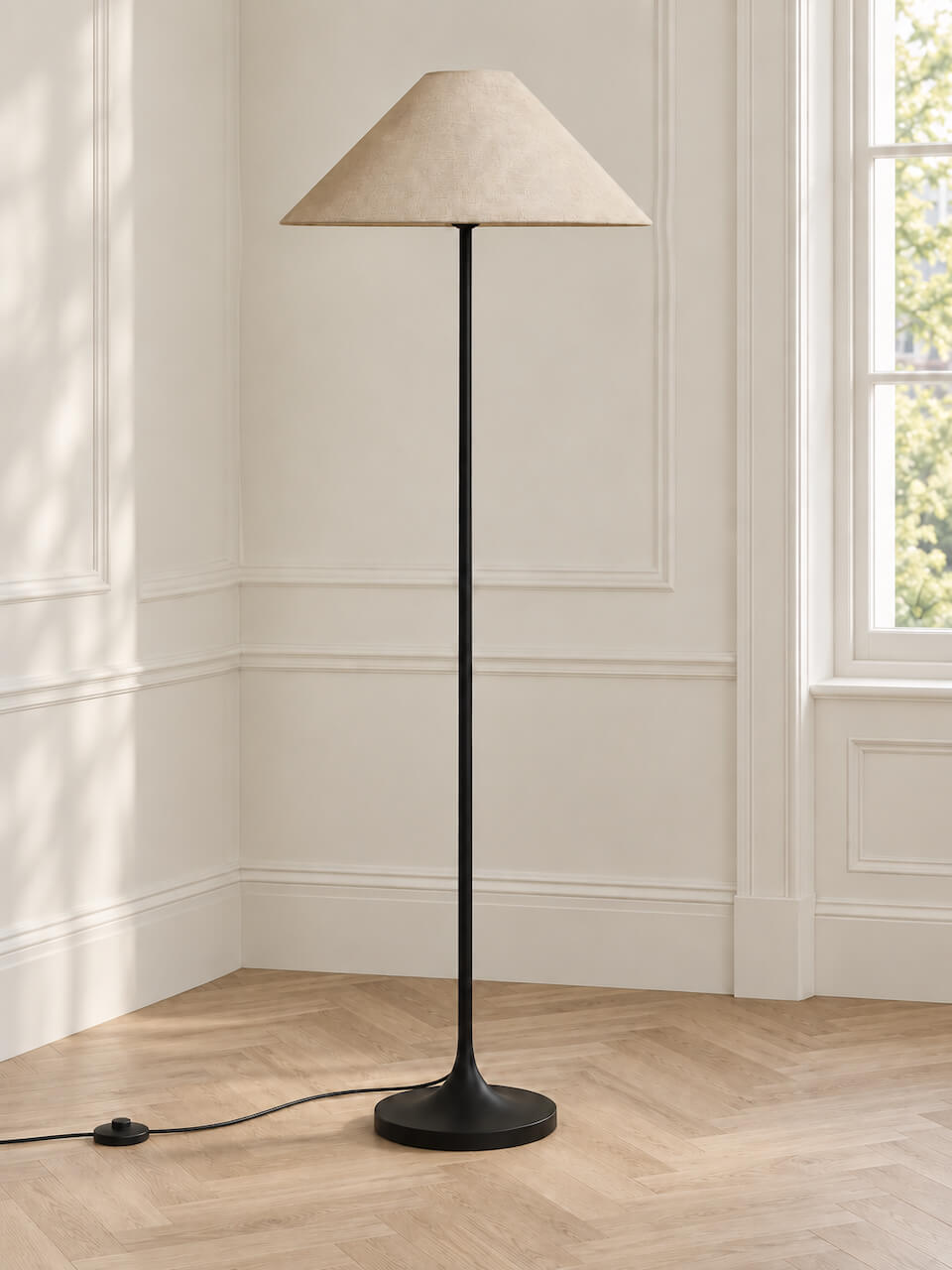
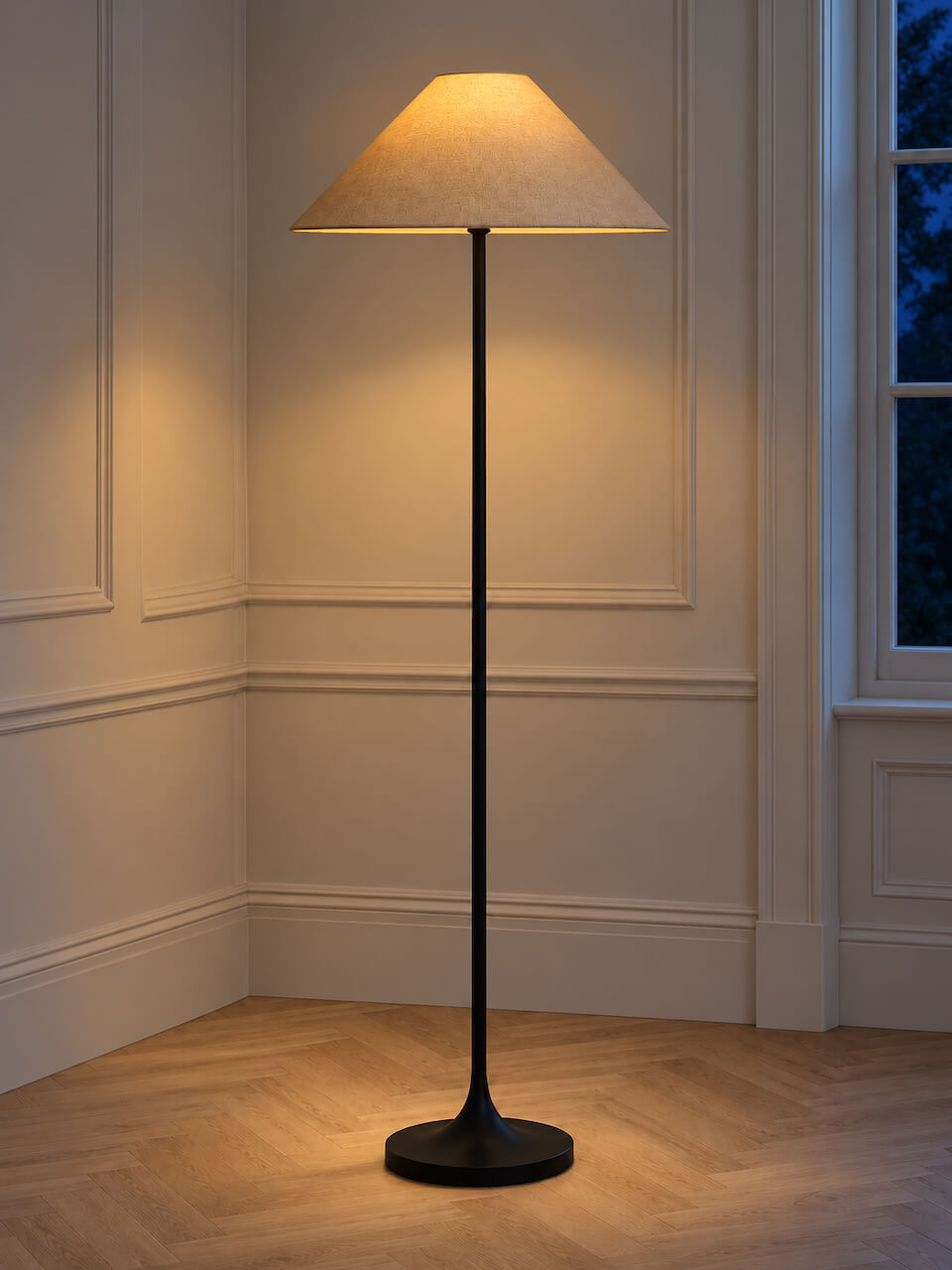
Ivar Black Metal Floor Lamp with Natural Shade
Sale price£232.00
Regular price£290.00
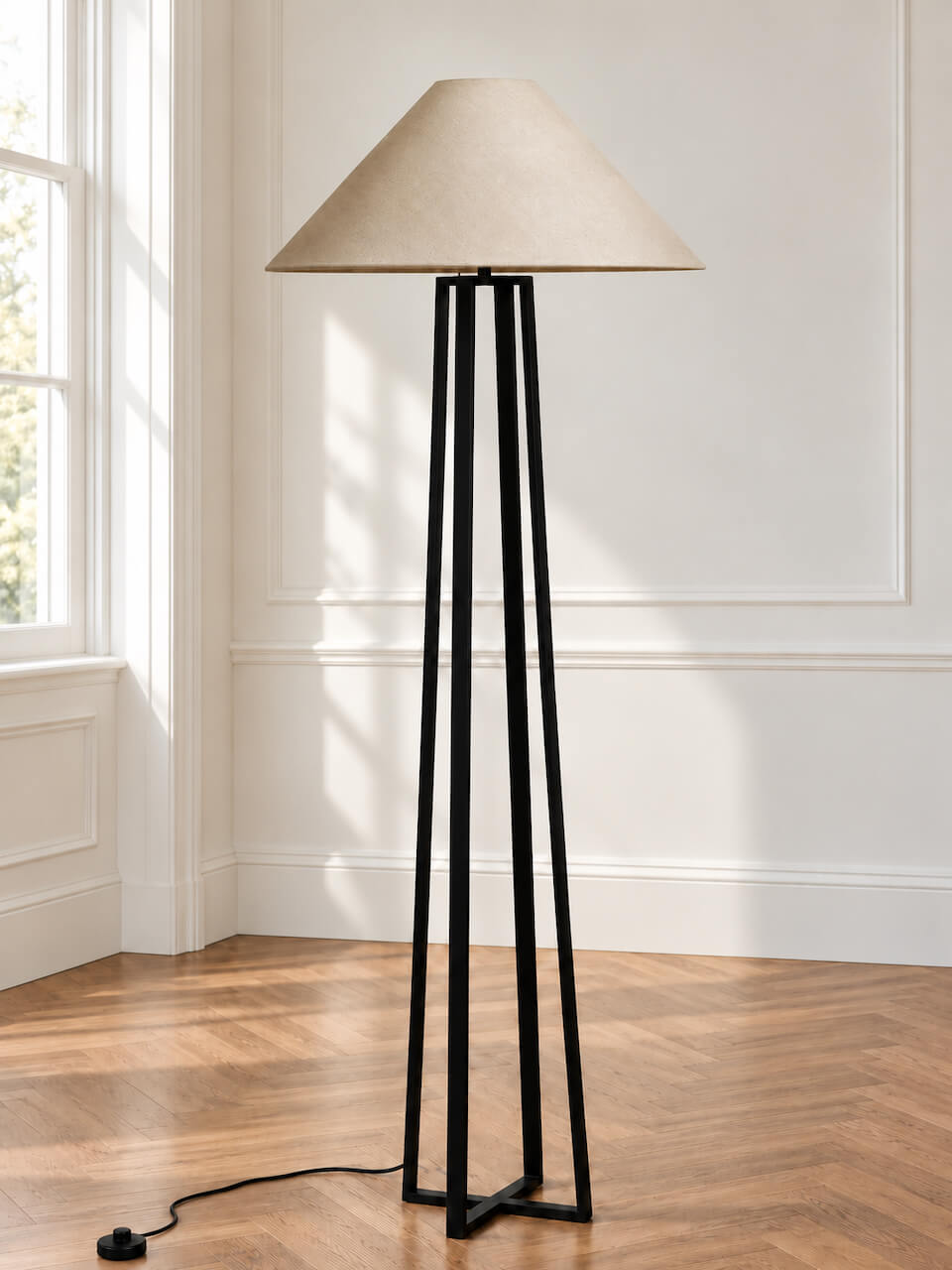
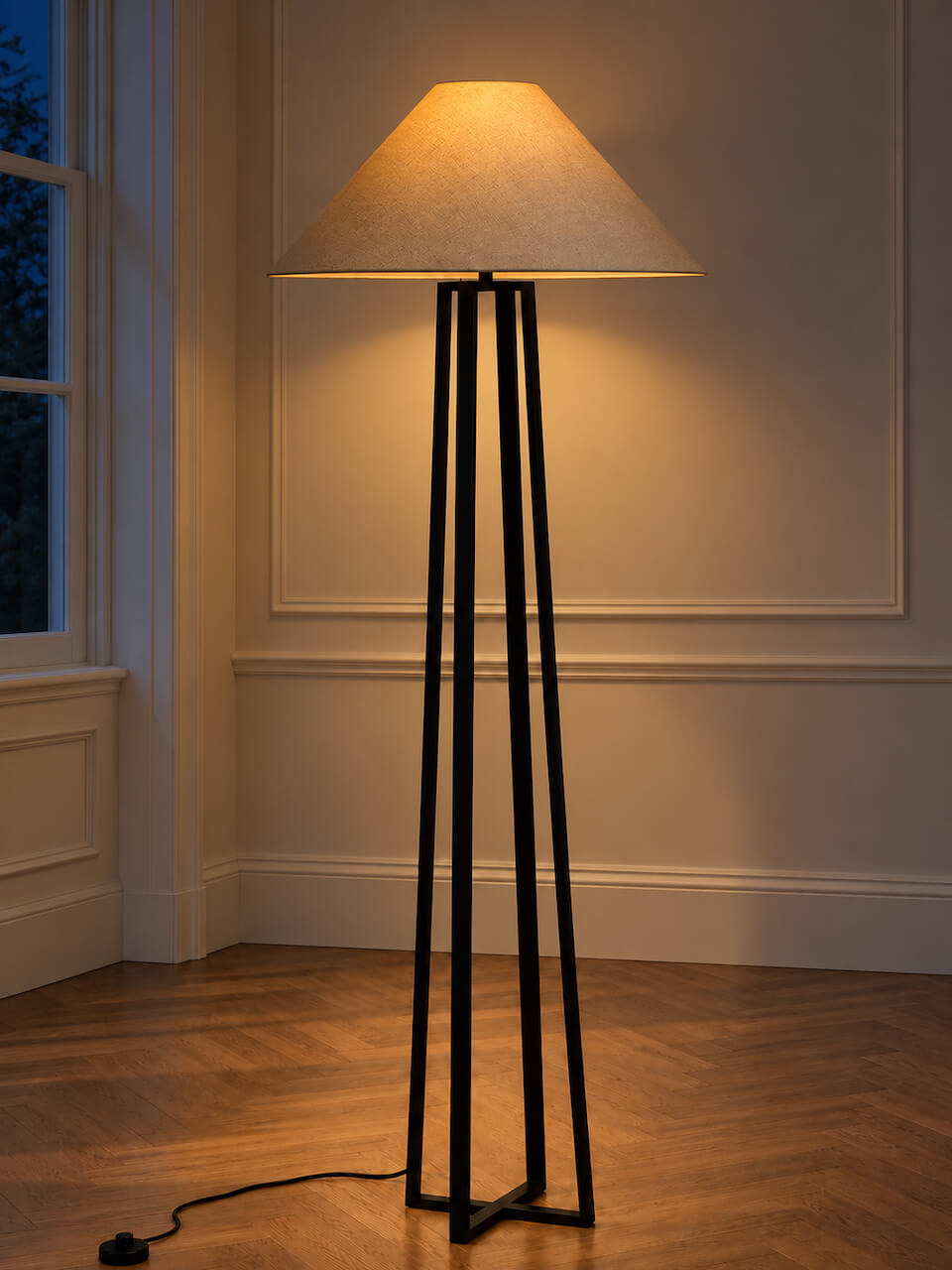
Zane Black Floor Lamp with Natural Fabric Shade
Sale price£236.00
Regular price£295.00
Collection Guide
Light with Height and Presence
01 Room for Everyday Living
Let the desired atmosphere guide floor lamps, instead of choosing the object before understanding the room. In living rooms, bedrooms, dining spaces and darker transitional areas, these floor lamps can add useful light and vertical presence where a ceiling or table fitting is not enough, with enough restraint for the room to remain calm. View the intended position from across the room as well as close up, using light and neighbouring finishes to judge whether floor lamps will connect or compete. For a Layered Lounge interior, place beside seating, behind a sofa corner or near a reading chair without narrowing the walkway. When considering floor lamps, a palette of warm white light, marble, aged metal, linen and dark wood anchors the arrangement and still permits a measured contrast. A room gains depth when floor lamps introduces measured variation instead of an exact match. Start with the job floor lamps must do, allowing decoration to emerge naturally from form and material.
02 Materials Worth Knowing
Assess floor lamps by looking beyond finish to structure, material behaviour and everyday suitability. When considering floor lamps, look closely at base stability, proportion, shade construction and the way materials diffuse or reflect light; visible and stated details are more useful than promotional language. When considering floor lamps, the relevant material story here is stone, metal, glass, ceramic and textile shades as specified for each lamp. Variation is part of the material reading of floor lamps: grain, pores, weave, glaze or finish can shift from one piece to another and should be considered before ordering. A lasting choice of floor lamps must work in daily life, with proportion and purpose carrying as much weight as appearance. When considering floor lamps, care matters too: switch off and allow fittings to cool before dusting, follow bulb and charging guidance, and keep electrical components away from moisture. The case for lasting floor lamps rests on three things: practical purpose, sound making and a surface or form worth living with over time.
03 Choosing and Styling Well
To choose floor lamps, map the base footprint, shade reach, switch position and socket route before choosing. Compare floor lamps by suitability rather than decoration alone, giving equal weight to material, dimensions and the maintenance the setting can support. When considering floor lamps, for colour, begin with the room’s undertone and use warm white light, marble, aged metal, linen and dark wood while allowing one deliberate contrast. Styling is strongest when you place beside seating, behind a sofa corner or near a reading chair without narrowing the walkway. Natural pairings come from armchairs, sofas, side tables and cushions, to extend the palette without duplicating every element. Review exact dimensions and maintenance guidance for floor lamps, assessing detail close up and overall presence from across the space. The related collections offer the next material or functional layer, helping floor lamps connect to a wider scheme without overfilling it.
Frequently asked questions
Questions about the collection
What is included in the Floor Lamps collection?
Floor lamps can add useful light and vertical presence where a ceiling or table fitting is not enough. Availability can change as the collection is updated, so the products currently shown on the page are the best guide to what is included.
How do I choose floor lamps?
Decide whether the room needs ambient, task or accent light, then consider height, footprint, cable position, charging requirements and bulb specification. The right light should support the room’s use as well as its mood.
Which materials and finishes should I consider for floor lamps?
Compare base material, shade construction, finish, bulb requirements and the way each design diffuses or directs light. Stone, metal, glass, ceramic and textile shades each create a different visual weight and atmosphere.
How should I style floor lamps?
Layer light at different heights rather than relying on one central source. Warm-toned illumination, tactile shades and repeated finishes can connect separate areas while keeping the room calm and comfortable.
Where can I use floor lamps?
Use table lamps for local pools of light, floor lamps for height and broader atmosphere, and rechargeable designs where a cable-free position is useful. Always follow the individual product’s electrical and location guidance.
How do I care for floor lamps?
Switch off and allow fittings and bulbs to cool before dusting with a soft, dry cloth. Keep electrical and charging components away from moisture and follow the specific bulb, charging and cleaning guidance supplied with each design.
What should I check before buying floor lamps?
Check dimensions, bulb type, maximum wattage, cable length or charging details, switch position and intended location. Also consider whether the scale of the base and shade is balanced with the table, furniture or corner where it will sit.